
Turn Summer Stress Into Stronger Landscapes
Help plants recover from heat, drought and unpredictable weather while laying the groundwork for successful fall projects.
August often feels like summer’s home stretch, but for landscapers, municipalities and gardeners, the season is still going strong. Warm soil temperatures still make it an excellent time for planting trees, shrubs and perennials. Vegetable gardens are producing their biggest harvests. Hanging baskets and public landscapes still need daily attention. And after weeks of heat, heavy rain, drought or humidity, many lawns and landscape plants are showing signs of stress.
Late summer isn’t just about keeping plants alive. It's about helping them recover, stay healthy and build strength heading into fall. Here are five ways to make the most of the month.
Plant Now, Help Plants Establish Before Fall
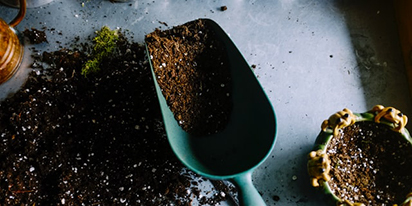
Many people assume planting season ends in spring, but experienced landscape professionals know August can be one of the best times to install trees, shrubs and perennials. Warm soil encourages root development, giving plants time to establish before winter dormancy.
The challenge is keeping new plantings hydrated while temperatures remain high.
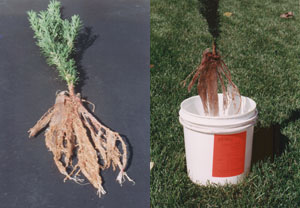
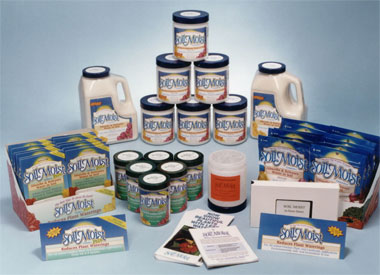
Incorporating Soil Moist when planting helps soil store water where developing roots need it most. The polymers slowly release moisture back into the soil, reducing transplant stress while cutting watering requirements by up to 50 percent. Products containing mycorrhizal fungi add another advantage by helping roots access water and nutrients more efficiently.
>>Late-Summer Tip: August planting can actually provide a head start on next spring — as long as plants receive consistent moisture during establishment.

Help Stressed Lawns Bounce Back
This summer has reminded many property owners just how unpredictable weather has become. Some regions have endured extended drought while others have experienced repeated downpours followed immediately by intense heat and humidity.
Those conditions can weaken turf and create opportunities for diseases like Brown Patch, Dollar Spot and Pythium Blight while leaving drought-stressed areas thin and vulnerable.
As damaged areas are repaired through overseeding or reseeding, moisture management becomes critical. Seed needs consistent moisture to germinate, yet frequent irrigation often evaporates before reaching the root zone.
Seed Coat helps newly planted seed absorb and retain moisture from irrigation and even humidity in the air.
>>Recovery Tip: Fall lawn repair actually begins in August. Establishing healthy roots now helps turf recover faster as cooler temperatures arrive.
Help Harvests Weather Late-Summer Stress
August is when vegetable gardens reward months of hard work with baskets of tomatoes, peppers, cucumbers and other fresh produce. But after weeks of heat, inconsistent rainfall and dry conditions, even established gardens can struggle if soil moisture fluctuates too dramatically.
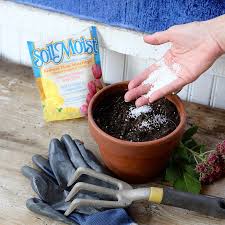
Instead of allowing soil to repeatedly dry out between waterings, Soil Moist helps soil absorb water during irrigation or rainfall and gradually release it back into the root zone. The result is more consistent moisture, healthier plants and continued harvests throughout late summer while reducing watering needs.
>>Garden Tip: Consistent moisture is one of the best ways to prevent plant stress and support continued vegetable production during the hottest weeks of the growing season.
Keep Public Spaces Looking Their Best
While many people begin thinking about back-to-school, parks, downtown districts, campuses and commercial properties are still welcoming visitors throughout August and Labor Day weekend.
Hanging baskets, decorative containers, streetscape planters and annual beds continue to make an important first impression — but they're often the first landscapes to suffer during periods of extreme heat.
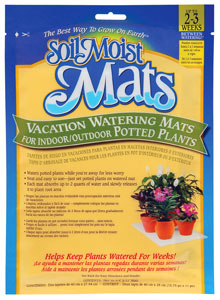
Incorporating Soil Moist Mats or Soil Moist granules into containers helps reduce watering frequency while maintaining more consistent moisture between irrigations. For municipalities and landscape maintenance crews managing hundreds of containers, fewer watering cycles can translate into significant labor and water savings.
>>Maintenance Tip: Water stored in the soil — not running off sidewalks or evaporating into the air — is water working for your plants. Not sure how much Soil Moist to use? Check out our convenient product calculator.
Prepare Landscapes for the Season Ahead
August is the beginning of planning for fall renovations, new landscape projects and seasonal color installations. Taking time now to improve soil health and moisture retention sets the stage for stronger fall plantings and healthier landscapes next spring.
Whether installing new landscape beds, refreshing containers or repairing summer damage, improving how soil captures and stores water continues to pay dividends long after temperatures begin to cool.
>>Planning Tip: Before starting fall projects, evaluate how water moves through your landscape. Areas with runoff, poor drainage or dry spots can often be improved with soil amendments and moisture-retention products like Soil Moist before new plants go in the ground.
Finish Summer Strong
Weather may always be unpredictable, but moisture management doesn't have to be. By helping soil capture, store and efficiently deliver water where plants need it most, Soil Moist products support healthier roots, reduce watering requirements and help landscapes recover from the challenges of summer.
Whether you're maintaining municipal landscapes, installing new plantings or harvesting vegetables from your backyard garden, smart moisture management helps every drop of water work harder today and into the seasons ahead. Looking for more tips? Get in touch.
Back to Blog »