
March Into Spring: Preparation Drives Performance
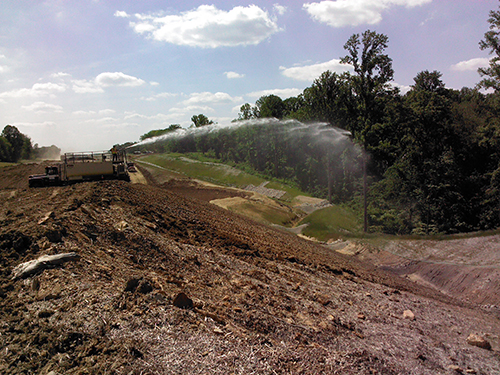
As erosion control professionals gather in Fort Worth for the International Erosion Control Association (IECA) annual conference, one theme continues to crop up: preparation is the foundation of planting success.
Across the country, weather patterns are shifting. Intense rainfall events are more frequent. Drought conditions arrive with little warning. Freeze-thaw cycles destabilize exposed ground. For everyday gardeners, commercial growers, retailers, landscape contractors and environmental specialists, the question isn’t whether conditions will change — it’s how well your operations are built to respond.
That’s where planning for spring and summer takes on new meaning. At JRM, we see this season not just as ramp-up time, but as an opportunity to build performance and protection directly into production and installation strategies.
Water Management Is Risk Management
In greenhouse production, early spring momentum is already underway. Cuttings are rooting. Liners are establishing. Programs are moving quickly toward peak retail demand.
Efficiency matters more than ever. Labor remains tight. Water regulations continue to evolve. And environmental accountability is now part of the broader industry conversation, including at IECA.
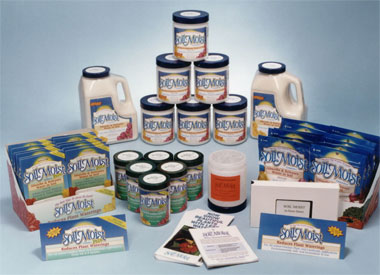
Incorporating Soil Moist polymer into growing media reduces watering frequency by up to 50%, so you can manage labor demands while supporting consistent moisture levels. Reduced irrigation cycles also mean less potential runoff and more controlled nutrient delivery.
When transplanting, minimizing shock is a matter of survival. Stronger root systems establish faster and tolerate stress better when temperatures swing. E-Z Root supports root initiation with highly active beneficial bacteria designed to improve early plant development. For added nutrition during transplant, the Transplant Plus Formula integrates fertilizer support alongside microbial activity.

Landscaping with Built-In Insurance
Landscape professionals face a similar reality. Spring installs may look pristine on day one — but survival through summer depends on what happens beneath the surface. Sudden heavy rainfall can wash away nutrients. Extended dry periods can stress shallow root systems. Sloped properties and construction sites are particularly vulnerable to soil displacement.
Building “insurance” into installations is becoming standard practice.
Soil Moist Plus water-storing granular polymer with time-release fertilizer (7-7-7) delivers moisture retention alongside eight to nine months of feeding. Sugar and powder grades support plugs and seed trays, while convenient spikes provide container solutions with up to four months of 5-5-5 feeding.
A tip for contractors: Explain that moisture management technology is part of the installation process so clients understand the value.
Erosion Control Moves Upstream
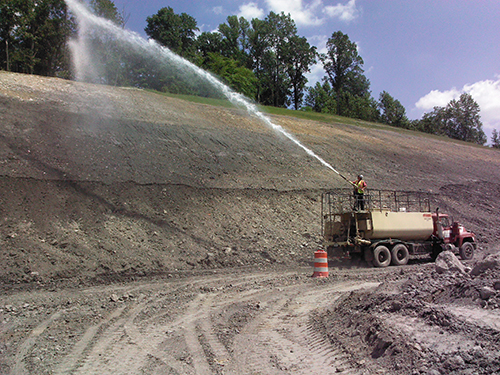
One of the strongest themes emerging at IECA is the shift from reactive erosion response to proactive soil stabilization.
Whether managing fire-damaged land, construction zones, highway embankments or residential slopes, the focus is increasingly on reducing sediment loss before it becomes an environmental and economic problem.
Broadcast applications of anionic soil erosion polymer can reduce soil loss by up to 97% when used alongside structural controls. These polymers help stabilize loose soil, improve water infiltration and decrease fertilizer runoff, supporting environmental stewardship and revegetation success.
Large-scale applications are efficient: one pound can treat up to one acre when mixed appropriately for broadcast spraying to prevent wash-outs and establish soil conditions where plant establishment can succeed long term.

Education Continues Beyond the Show Floor
Trade events like IECA provide a valuable forum for sharing data, field experience and evolving best practices. But the real work happens long after the booths are dismantled.
For greenhouse growers and landscape contractors, this means reviewing protocols, refining irrigation strategies and evaluating soil management programs before peak heat arrives. For environmental professionals, it means implementing stabilization measures that protect infrastructure and waterways while supporting revegetation.
For retailers and designers, it also means inspiring seasonal creativity. We’ve got a solution for that! Deco Beads and Deco Cubes offer visual impact for spring merchandising while reinforcing the science of hydration in an accessible way, from floral displays to educational STEM projects that demonstrate water absorption principles.
Ready for What’s Next?
The conversations in Fort Worth are reinforcing a reality that spans every sector of horticulture and land management: preparation drives performance. Spring is about momentum. Summer is about endurance.
At JRM, our commitment remains focused on helping professionals use water and soil resources more efficiently and responsibly — strengthening root systems, reducing runoff and improving overall stability. Every solution is designed to promote sustainable performance and long-term plant success, no matter how the season unfolds.
While we can’t predict what the season will bring, we can control how prepared we are to meet it. Now is the time to evaluate your water management and soil stabilization strategies — and put the right systems in place before the pressure of peak season arrives. Let’s talk.
Back to Blog »