Planting Season, Weather Permitting
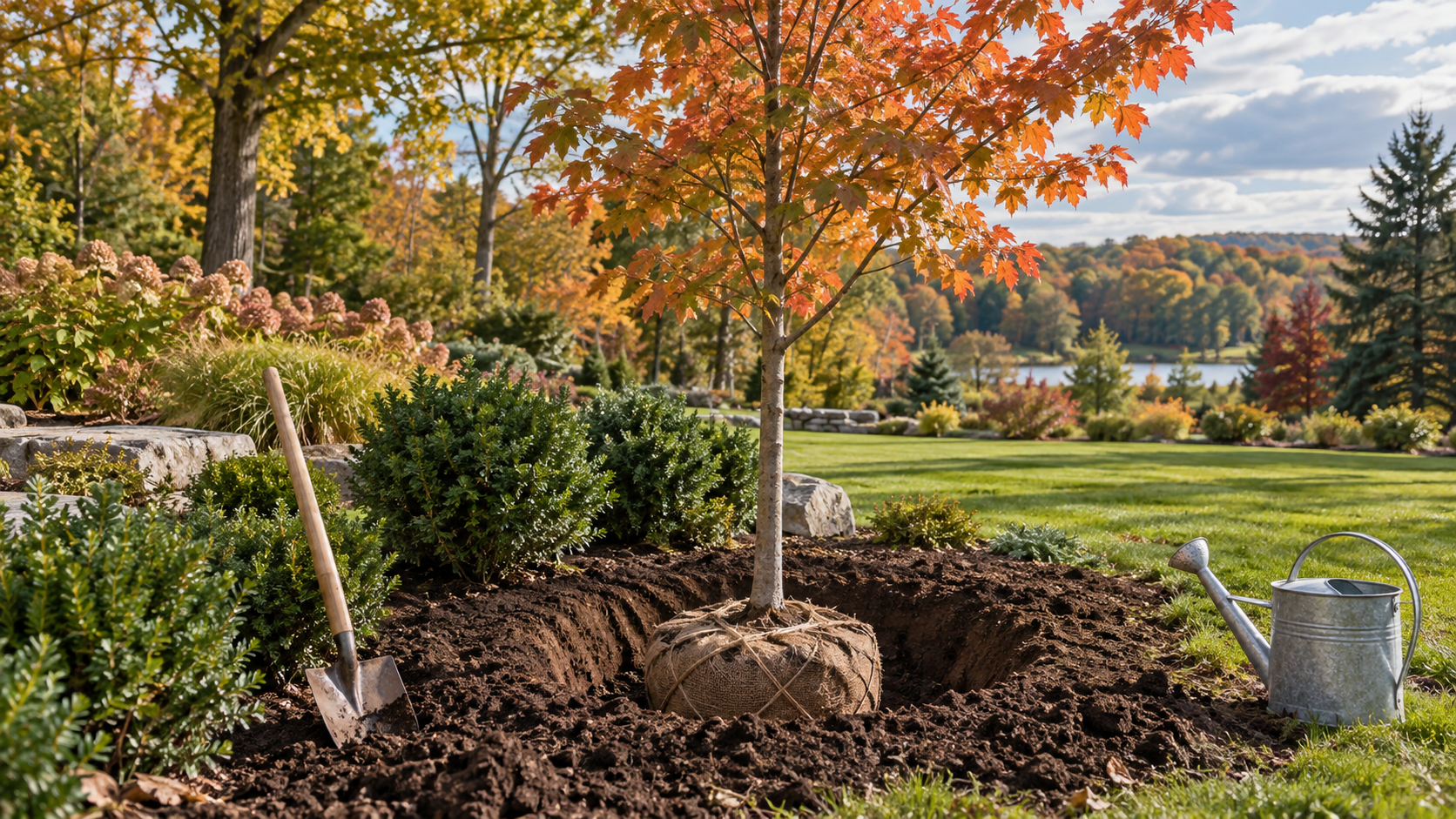
October is prime time for tree and shrub installation. But fall weather can change the playbook.
October checks a lot of boxes for planting trees and shrubs. Cooler air reduces stress on plant material. Soil temperatures can remain favorable for root development. And plants can put energy into establishing roots without the demands of summer heat and active top growth.
Then there’s the weather.
A warm, dry October can extend the planting season but increase irrigation demands. Several days of rain can sideline crews and leave soils saturated. An early cold snap can quickly shorten the establishment window.
For nursery and landscape professionals, the calendar might say prime planting season, but conditions on the ground determine how it actually plays out.
Read the Weather, Watch the Roots
Getting trees and shrubs into the ground is only the first step. What happens between installation and winter can make a difference in how successfully plants establish and perform the following spring.
That makes moisture management particularly important.
Newly installed trees and shrubs need adequate moisture at the root zone even as temperatures cool. During a warm, dry stretch, supplemental irrigation may need to continue well into fall. If rainfall is plentiful, irrigation should adjust accordingly.
The key is responding to conditions rather than watering according to the calendar.
Soil type, drainage, exposure and plant size all influence moisture needs. Container-grown material can add another variable because moisture levels within the root ball can differ from those in the surrounding soil.
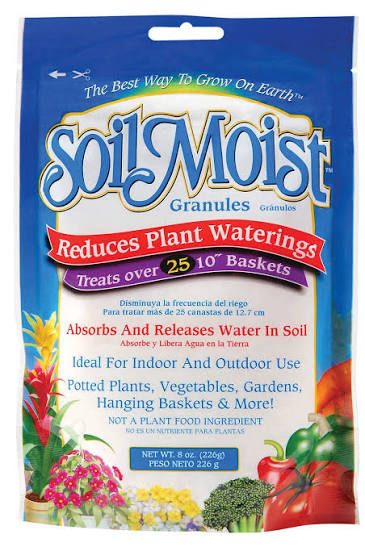
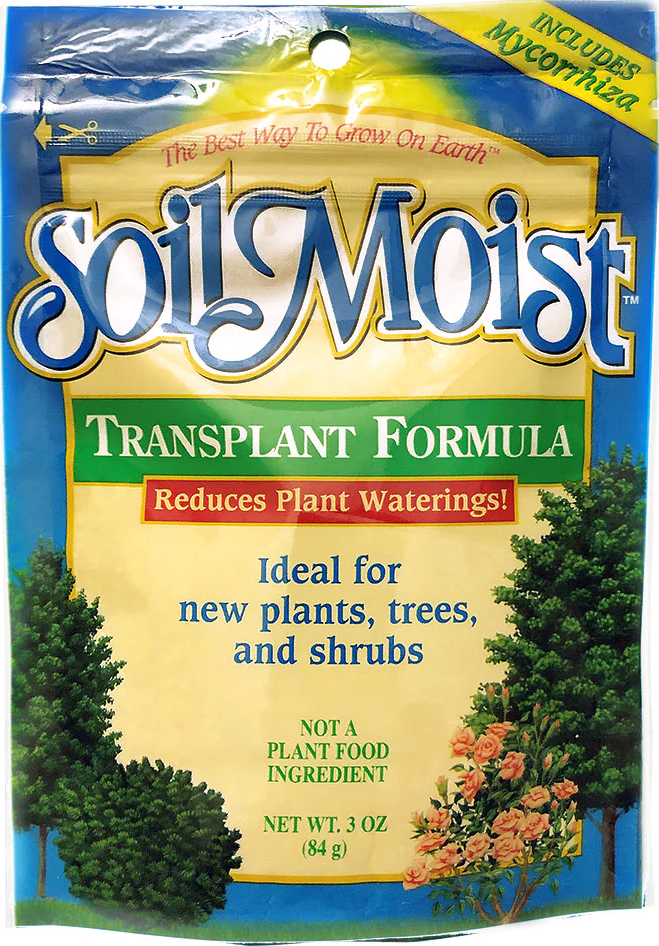
Soil Moist polymers provide another water-management tool at installation. Incorporated into the soil around the root zone, the polymers absorb water and release it as the soil dries, helping maintain moisture availability as new roots establish. Specifically, Soil Moist Transplant combines water-storing polymers with beneficial mycorrhizal fungi to support root development and establishment.
Send Plants Into Winter Strong
Leaf drop doesn’t mean newly installed plant material is finished for the season.
Root activity can continue while soil temperatures remain favorable, giving fall-planted trees and shrubs additional time to establish before winter. Maintaining adequate moisture during this period helps avoid sending plants into dormancy already under water stress.
For landscape contractors, successful establishment is also about protecting the investment in an installation — another scenario where Soil Moist Transplant sets plant installation jobs up for success.
Plant material is only part of the cost of a job. Add transportation, equipment, crew time and installation, and a tree or shrub that needs to be replaced the following spring can quickly become expensive. It also means another trip to the property and a potential callback during an already busy season.
A strong start this fall can help support better performance next spring.
And while cooler weather typically reduces water demand, it shouldn’t automatically signal the end of irrigation. Keep monitoring conditions until plants enter dormancy and soil temperatures fall. The goal is adequate moisture without waterlogged soil.
What Kind of October Are You Getting?
There’s no single fall planting playbook that works everywhere.
A landscape contractor working through an extended warm spell faces different conditions than one dealing with repeated rain or an early freeze. Even within the same region, soil, exposure and irrigation availability can vary from site to site.
That’s why flexibility matters.
Pay attention to what the weather is doing. Check moisture where roots actually are. Adjust irrigation as conditions change. And consider how moisture-management products can help support plant material between scheduled watering and natural rainfall.
You can’t control October weather. You can manage how you respond to it.
Meanwhile, Holiday Crops Are in the Home Stretch
For greenhouse growers and garden centers, October has another priority: poinsettias.
By now, holiday crops are well underway and moving toward their critical sales window. Maintaining consistent quality through the final stretch means continuing to pay close attention to irrigation, nutrition and greenhouse conditions.
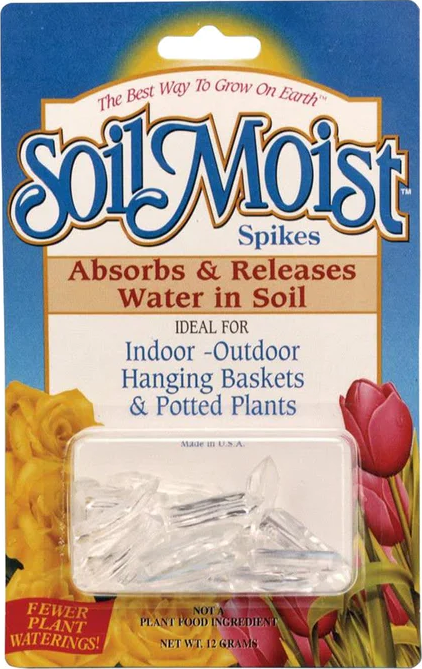
Products designed for container production can help growers manage moisture through this final production stretch. Soil Moist Spikes, for example, provide water-storing polymers in a convenient form for individual containers, helping maintain moisture availability at the root zone.
Get a Jump on Spring
Spring might feel a long way off, but production and sales planning don’t start when customers arrive at the garden center.
October is a good time to review the season that just wrapped up. Where did heat and dry conditions put the most pressure on irrigation? Which crops or installations required more attention than expected? Where could better water-management or establishment practices improve efficiency and plant performance?
It’s also time to begin looking at next season’s production needs, supplies and inventory.
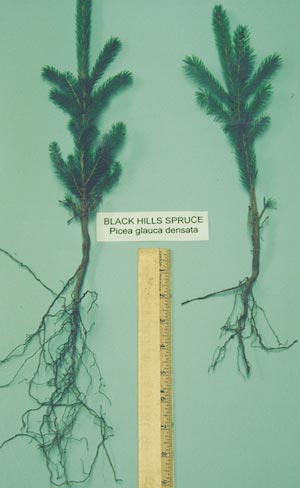
For growers, that could mean evaluating moisture-management products for container production along with mycorrhizal products that support root development. Nursery professionals preparing for bare-root stock can also plan ahead with Soil Moist Root Dip, which coats roots with water-storing polymers to help protect them from drying during transplanting and establishment.
For landscape professionals, fall is a good time to consider which water-management products should become part of installation specifications and establishment practices.
The right product depends on the plant, production system and application. October gives growers, garden centers and landscape professionals time to identify those needs before the busy season begins.
Plant now. Finish the season strong. And start preparing for what’s next. Stay in Touch.
Back to Blog »